Short answer: Most of what comes up after handover is small. Something overlooked in the finish, a lock that will not work, flat batteries in a lock, or something that has been damaged in use. It is repairs and fixes, and most of it shows up in the first six months rather than on the day you get the keys. Who pays splits three ways. Our work, meaning the structure and the workmanship, is ours to put right. What we installed, meaning the taps, the fittings and the electrical installation, is also ours when it fails because of the way it was fitted, on the same warranty as everything else. Products that carry their own warranty, like air conditioners and appliances, are covered by the maker for the product itself. We cover the installation, and we help you make the claim.
Things do go wrong. Here is the actual list
Any builder who tells you nothing will come up after handover is telling you what you want to hear.
Things come up. They are small, and they are usually the same handful of things.
- Something overlooked in the finish
- A lock that will not work properly
- Flat batteries in a lock
- Something damaged in use, by an occupant or a tenant
That is most of it. Repairs and fixes.
It also arrives later than people expect. Handover day is not when you find out. The first six months is.
Who pays: the three buckets
This is the part nobody sets out for you before you sign, so here it is.
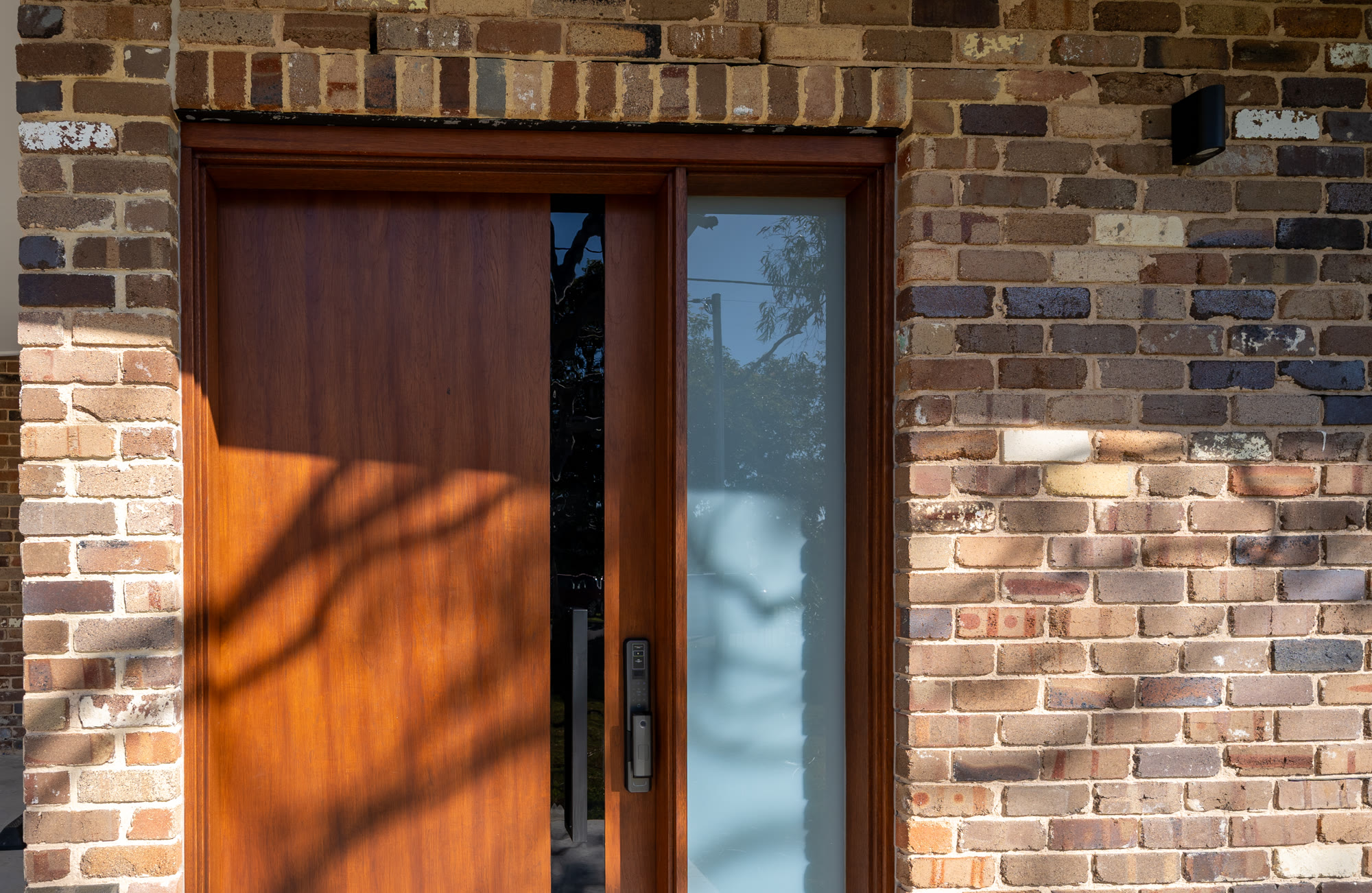
Our work. The structure and the workmanship are ours. If something has not been built properly, we come back and put it right. That is not a favour and it is not a variation.
There is also a floor underneath all of this, set by law rather than by us, running from completion. We set it out in what to ask a builder before you sign, along with the question worth putting to any builder about what they add on top of it.
What we installed. Taps, fittings, the electrical installation. If one of those fails because of the way it was fitted, that is our workmanship, and it sits on the same warranty as everything else we build. There is no shorter clock hiding in the fine print for the small items.
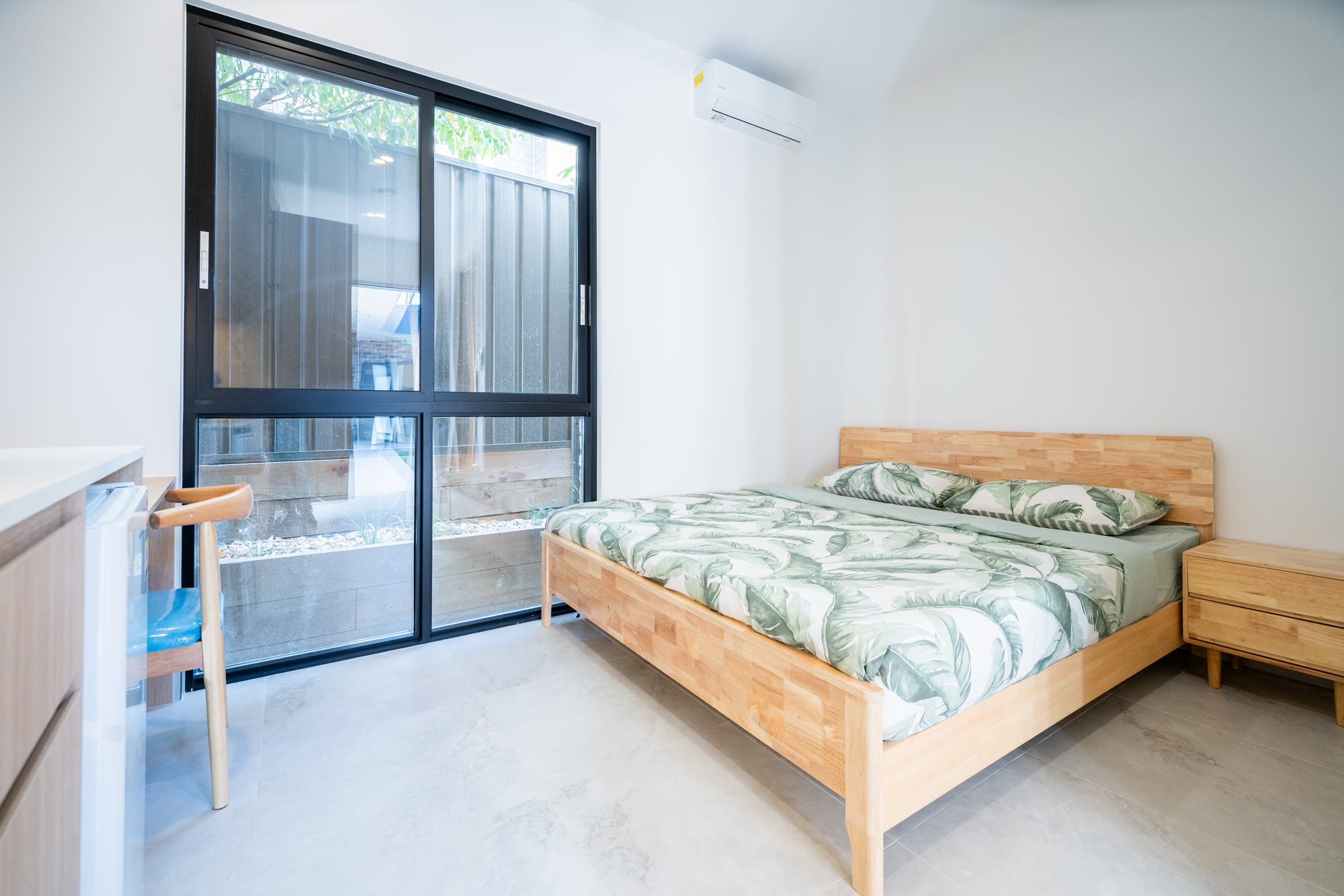
Products with their own warranty. Air conditioners, appliances, anything that arrived in a box with a warranty card in it.
The maker covers the product. We cover the installation. And we help you make the claim.
The line that catches people out
Two of those buckets look identical from where you are standing.
Take a leaking tap. If it leaks because of how it was fitted, that is our work and we fix it. If the tap itself has failed as a product, that is the maker's.
Same tap, same leak, different answer. What decides it is why it failed, not what it is.
You are not expected to work that out on your own. Sorting out which one you are looking at is our job, and it is the first thing we do when you call.
Helping you claim is the part that matters
A warranty is worth whatever it is worth on the day you try to use it.
Anyone who has chased a manufacturer's warranty alone knows how that goes. You need the model number, the install date, the invoice, and someone who can describe what actually failed. We have all of that, because we put the thing in.
So we make the claim with you. You do not get handed a phone number.
We also do not treat the warranty card as the last word. If something fails sooner than it reasonably should, tell us and we will help you take it up. It is worth checking where you stand instead of assuming the card is the end of it.
What is not on us
This post is worth nothing if it only lists what we cover, so here is the other side of it.
Break-fix sits with the owner. If something gets broken through use, or someone damages it, that is a repair and not a defect.
Knowing where that line sits before anything happens is what stops the argument later. We would rather tell you now.
What to do when something comes up
Tell us early, and tell one person.
Small things stay small when someone looks at them. An overlooked finish takes ten minutes in month one and a phone call you do not enjoy in month nine.
You get one point of contact after handover so you are not working out who to ring. It is the same way we run a job while it is being built, which we wrote about in from slab to handover. A fair amount of what would otherwise turn up later gets caught earlier still, at the inspection stages during the build.
If you are letting the place out, this matters more, not less. On the co-living homes we build there are more rooms, more bathrooms and more units on the wall, so there is simply more that can need a look. You can see finished examples on our projects page.
Common questions
What usually goes wrong after handover?
Small things, mostly. Something overlooked in the finish, a lock that will not work, flat batteries in a lock, or something that has been damaged in use. Most of it turns up in the first six months rather than on handover day, and most of it is repairs and fixes rather than anything structural.
If a tap starts leaking, who pays?
It depends on why it is leaking, not on what it is. If it leaks because of the way it was fitted, that is our workmanship and we put it right on the same warranty as everything else. If the tap itself has failed as a product, that is the maker's warranty, we cover the installation, and we help you make the claim.
My air conditioner has stopped working. Do I call you or the manufacturer?
Call us first. Air conditioners and appliances come with the maker's own warranty on the product, and we cover the installation, so the first job is working out which one it is. Either way we help you make the claim rather than handing you a phone number.
How long am I covered for after handover?
There is a statutory floor set by law rather than by the builder, and it runs from completion. We set it out in what to ask a builder before you sign, along with the question to put to any builder about what they add on top of it. Ask for it in writing before you sign rather than after something comes up.
This post is general information about the way we work. What you are covered for on your own build depends on your contract and who you signed it with, so read that document and ask the questions before you sign.
Want to know what happens after we hand over the keys, before you commit to anything? A feasibility session costs nothing, and our process is written down instead of promised on the day.
Book a Free Feasibility Session