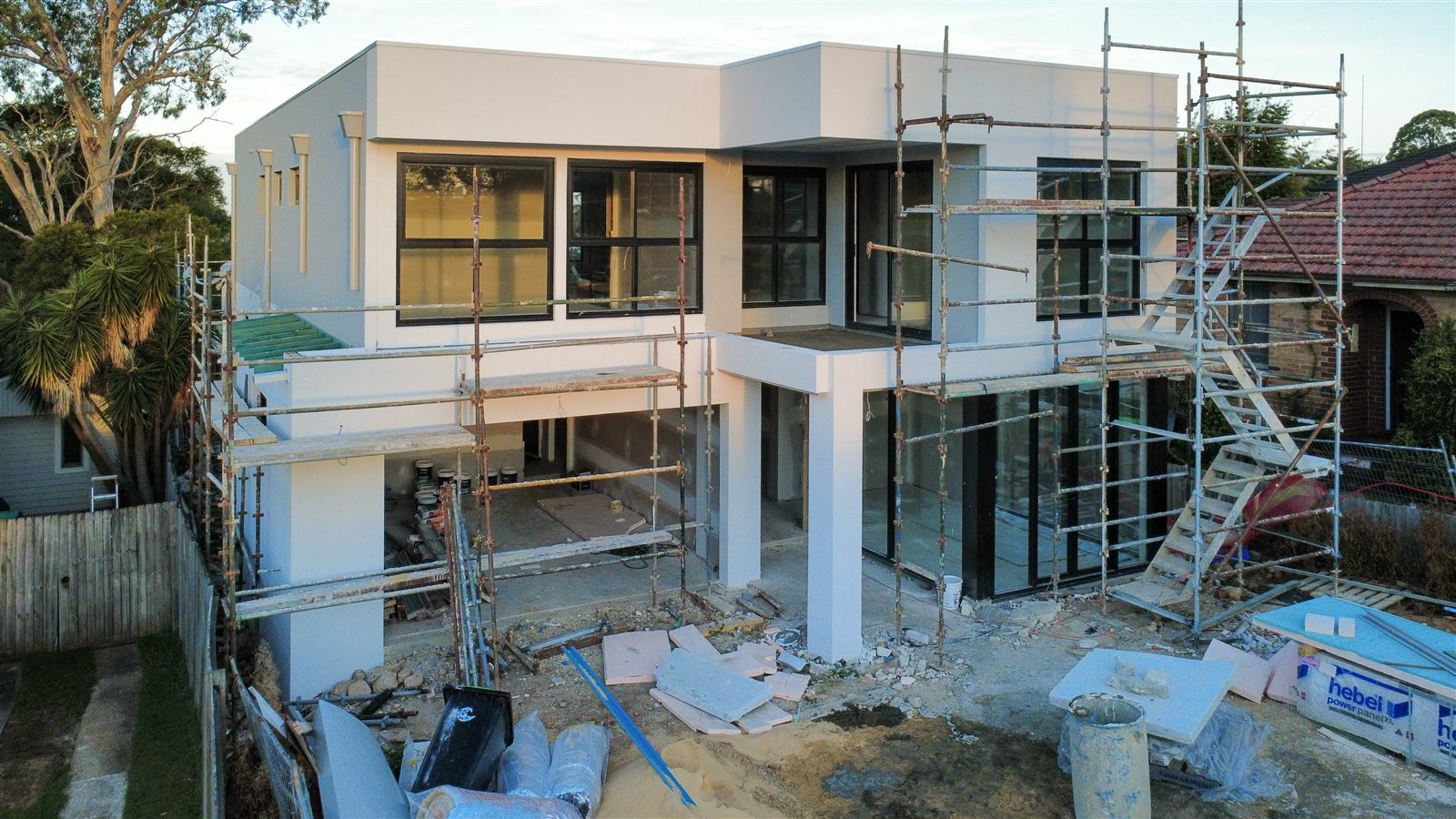
Short answer: A build stays on schedule because of a system, not luck. Ours has four parts. First, a live schedule in our project-management software, where every trade is sequenced against the trades before and after it. Second, a site diary. Any day a trade is on site, my site supervisor logs what was done, who did it, and photos to prove it. Third, a weekly report to the client, so nobody is guessing where the job is at. Fourth, a set way of handling problems: stop the affected work, get the right expert's advice, price the fix, get the client's written approval, then keep moving. On a straightforward duplex that system typically gets you from contract signing to handover in 8 to 12 months. Problems still happen on every build. The system is what stops a problem becoming a delay you feel.
The boring system beats the heroic scramble
People think builds run late because of storms, or a bad trade, or bad luck. Sometimes. But most late builds I've seen ran late because nobody was watching the sequence closely enough, early enough.
By the time you notice a job drifting, the tiler has been booked out for three weeks, the joinery order went in late, and everything behind it slides. The scramble that follows looks impressive. The build that never needed the scramble is the one that finishes on time.
So we run the boring version. Here's what it actually looks like, from our current jobs.
A diary entry every day a trade is on site
On one of our co-living builds in Western Sydney right now, there are 50 site diary entries in under three months. Tiler. Waterproofer. Gyprocker. Joiner. Stone install. Plumber. Electrician. Every day someone is on site, the diary records what area they worked on, who the supplier was, and how far they got, with photos attached.
That sounds like paperwork. It's actually the early-warning system. If the diary shows the joiner was meant to be on site Tuesday and wasn't, we know Tuesday night, not three weeks later when the stone can't be templated because the cabinets aren't in.
It also settles arguments before they start. When there's a photo of the waterproofing from the day it went down, nobody has to rely on memory.
The weekly report
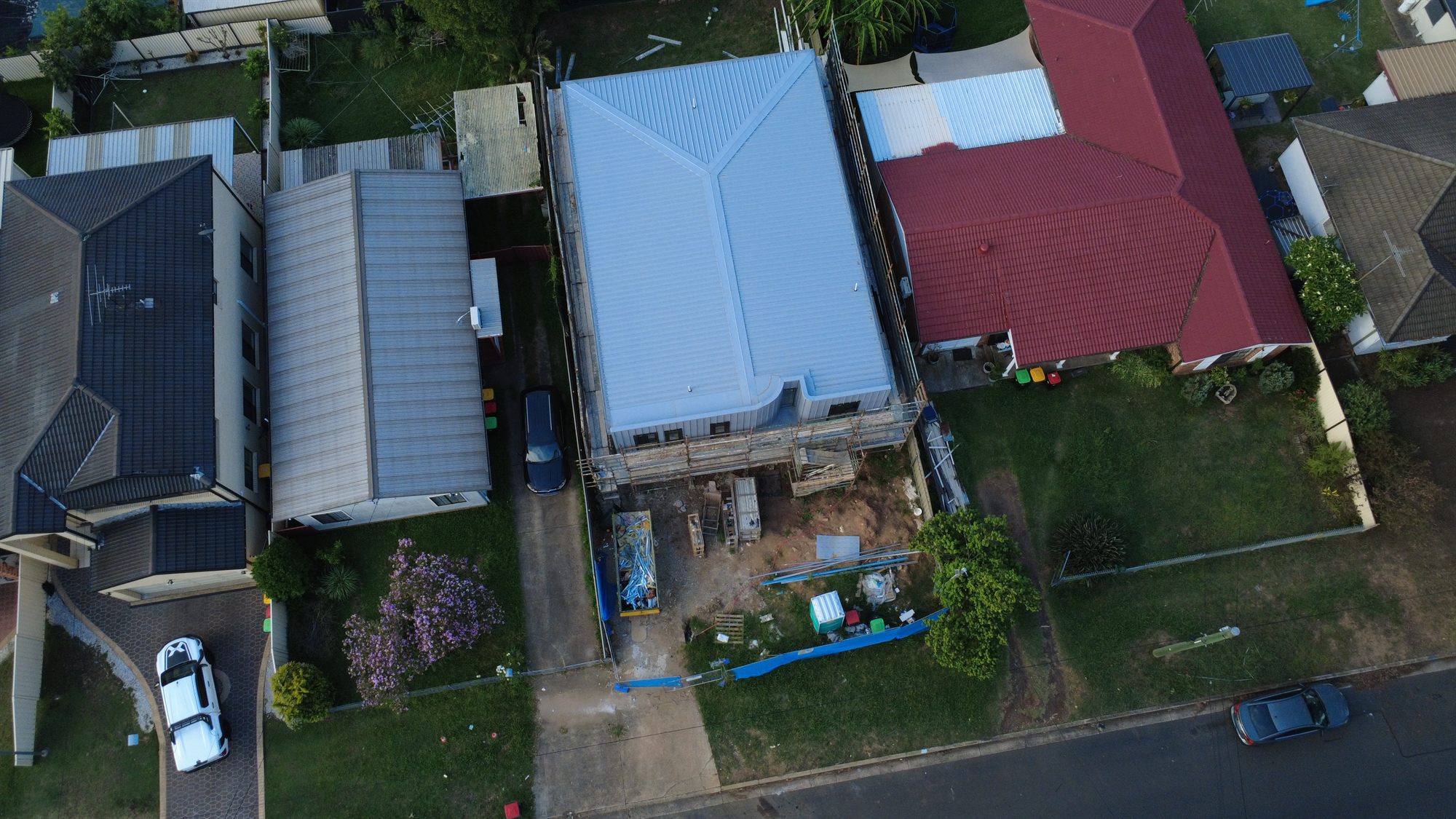
Every week, my project coordinator sends the client a report on where the build is at. What happened this week, what's booked next, what we're waiting on. On investor jobs, the client's finance contact gets it too.
I'll be straight about why. A client who hears nothing fills the silence with worry, then phone calls, then site visits. A client who gets a report every week doesn't need to chase. That's our No Surprises Build Guarantee doing its job: you always know where you stand on cost, timeline and quality.
Sequencing: the order matters more than the speed
Individual trades are rarely the problem. The gaps between them are.
Here's a live example. On that same Western Sydney build, we're relocating a water meter. Sounds simple. It isn't. The excavation contractor has to remove the old driveway concrete first. Then the plumber can move the meter. Then the water authority has to attend for the new connection, which means paying their fee, waiting for the clearance, then booking their drill date. And the concreter has to be booked two days before that date.
That's four parties, one driveway. Book them in the wrong order and each one waits on the last, and a short job stretches out for weeks. So we map those dependencies in the schedule up front, and one person owns the sequence. On our jobs that's the site supervisor, and every date lives in the system where the whole team can see it.
The same thinking applies at every stage from slab to handover. Waterproofing before tiling. Cabinets before stone templating. Doors before skirting, patching and paint. None of it is complicated. All of it falls over if nobody owns the order.
When something goes wrong, and something always does
On a custom home we're building in Greater Sydney, the brick retaining wall started leaning mid-build, before backfilling was even finished. Not a small thing. A retaining wall that moves is a structural problem, full stop.
Here's what happened next, with real dates.
The day it was reported, we stopped backfilling in that area and emailed the structural engineer with site photos, asking for an urgent inspection. Two days later we had the engineer's verdict and a decision: replace the brick wall with a stronger concrete wall system. We priced the change as a formal variation and the client approved it in writing the same day. Work did not restart until that approval existed. No exceptions, and that protects the client as much as it protects us.
Four days after the approval, materials were on site, the failing wall was removed and the starter bars were drilled. The new wall was poured the next afternoon. From "the wall is leaning" to "the new wall is poured" took one week.
The honest cost: under two weeks on that corner of the job, from the wall being reported to backfilling resuming. What it didn't cost: a surprise invoice, a mystery to the client, or a domino run through every trade behind it. The rest of the site kept moving while one corner of it waited on the engineer.
That's the whole playbook. Stop the affected work. Get the expert's advice, not the site's best guess. Price it. Get written approval. Then move fast.
The delays you can't control
Some delays no builder can prevent. On the Western Sydney build, a door order sat in customs for weeks. We were told one delivery date and customs decided otherwise.
What we could control was what happened around the delay. The doors hold up three things: skirting tiles, patching, and paint. So those were queued in order behind the delivery, and the trades that don't depend on doors, like the electrician's fit-off and the driveway works, kept going in the meantime. When the doors cleared and landed at the port, we sent our own person to collect them rather than wait for a courier slot, and they were on site the same day.
A delay in one lane doesn't have to stop the other lanes. It only does if your schedule was a guess to begin with.
What this means for your build
If you're comparing builders, ask each one the same four questions.
- How is the schedule tracked, and can I see it?
- Is there a site diary, and how often is it written?
- How often will I get a progress report without asking?
- What exactly happens when something goes wrong, who decides, and do I approve the cost before work continues?
Any builder can promise a finish date. The system behind the promise is what you're actually buying. Ours is written down, it runs on every job, and the diary entries above are this month's, not a brochure's.
If you want to see how we'd run your project, start with a feasibility check. We'll walk you through the schedule for your build before you commit to anything. You can also see what we've built and how our process runs stage by stage.
Timelines here are typical ranges from our own jobs, not a promise for yours. Every site, design and approval path is different, and any date depends on the specifics of your build.
Common questions
How long does a build take from slab to handover?
A straightforward duplex typically takes 8 to 12 months from contract signing to handover. A basement, a complex design or a stretch of bad weather can push that out. Ask your builder for the schedule, not just the end date, because the sequence is what tells you whether the date is real.
What is a site diary and why does it matter?
A site diary is a dated record of what happened on site: which trade attended, what they worked on, and photos. It matters because it catches slippage the day it happens, and it gives everyone an agreed record instead of competing memories.
What should happen when a problem is found mid-build?
The affected work should stop, the right expert (usually an engineer) should inspect and advise, the fix should be priced as a formal variation, and the client should approve it in writing before that work restarts. Fast is good. Documented and approved comes first.
How often should my builder update me?
On our jobs, weekly, in writing, without you asking. Silence from a builder isn't a sign things are fine. A regular report with what happened, what's next and what we're waiting on is the minimum you should expect.
Want to see the schedule for your build before you commit? A feasibility session costs nothing and puts real dates and figures in front of you.
Book a Free Feasibility Session