Short answer: A fair variation is one you saw coming, understood, and agreed to before the work happened. Something changes on site, we call you out to look at it, you see the actual thing rather than a line on an invoice, and you decide. A variation you find out about afterwards is not a variation, it is a surprise with a price on it. The other half matters just as much: not everything that goes wrong becomes a variation. If work has not been done to the approved design or to the standards, we fix it and it costs you nothing, because that was never something you agreed to pay for twice. Knowing which side of that line a change sits on is most of what protects you mid-build.
Something will change. That part is normal
Any build of any size runs into something nobody could see at the start. Ground conditions, a service in an unexpected place, a detail that has to change once the thing is actually standing there.
That is not a sign of a bad builder. Pretending it will not happen is.
Changes come up on every job. What separates a fair process from a bad one is what happens in the hour after one does.
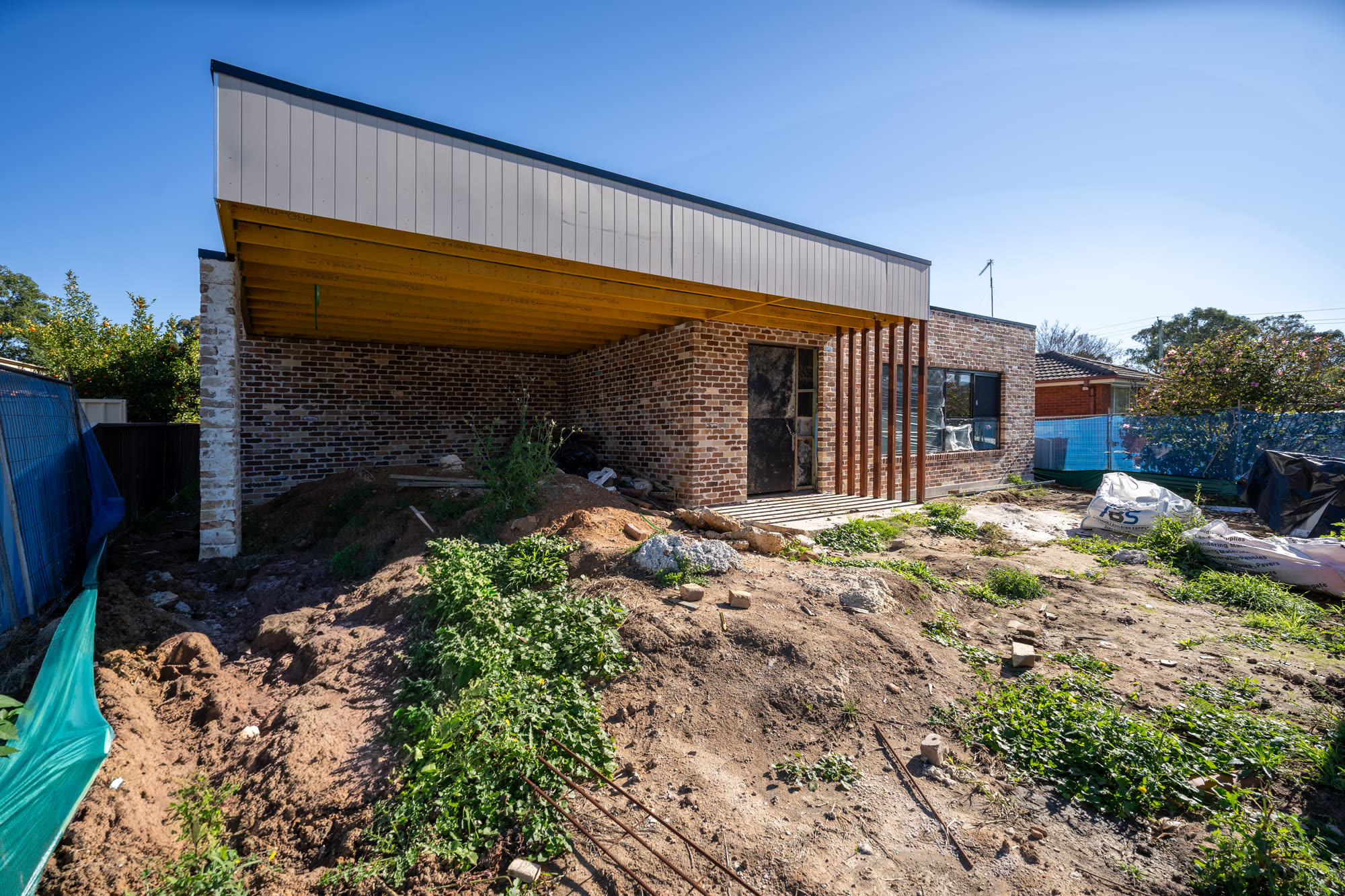
What a fair variation looks like
There should be communication the whole way through. When we hit a problem, we call the customer out to site and show them.
That matters more than it sounds. Standing in front of the actual thing is a completely different conversation from reading a description of it. You can see what we are seeing, ask the obvious questions, and form your own view before anyone talks about money.
Then you get the detail. What changed, why it has to change, and what the options are. And you agree to it before the work is done, not after.
One of our core values is no surprises, and it is on our process page as a promise. This is the part of the job where that promise either means something or does not.
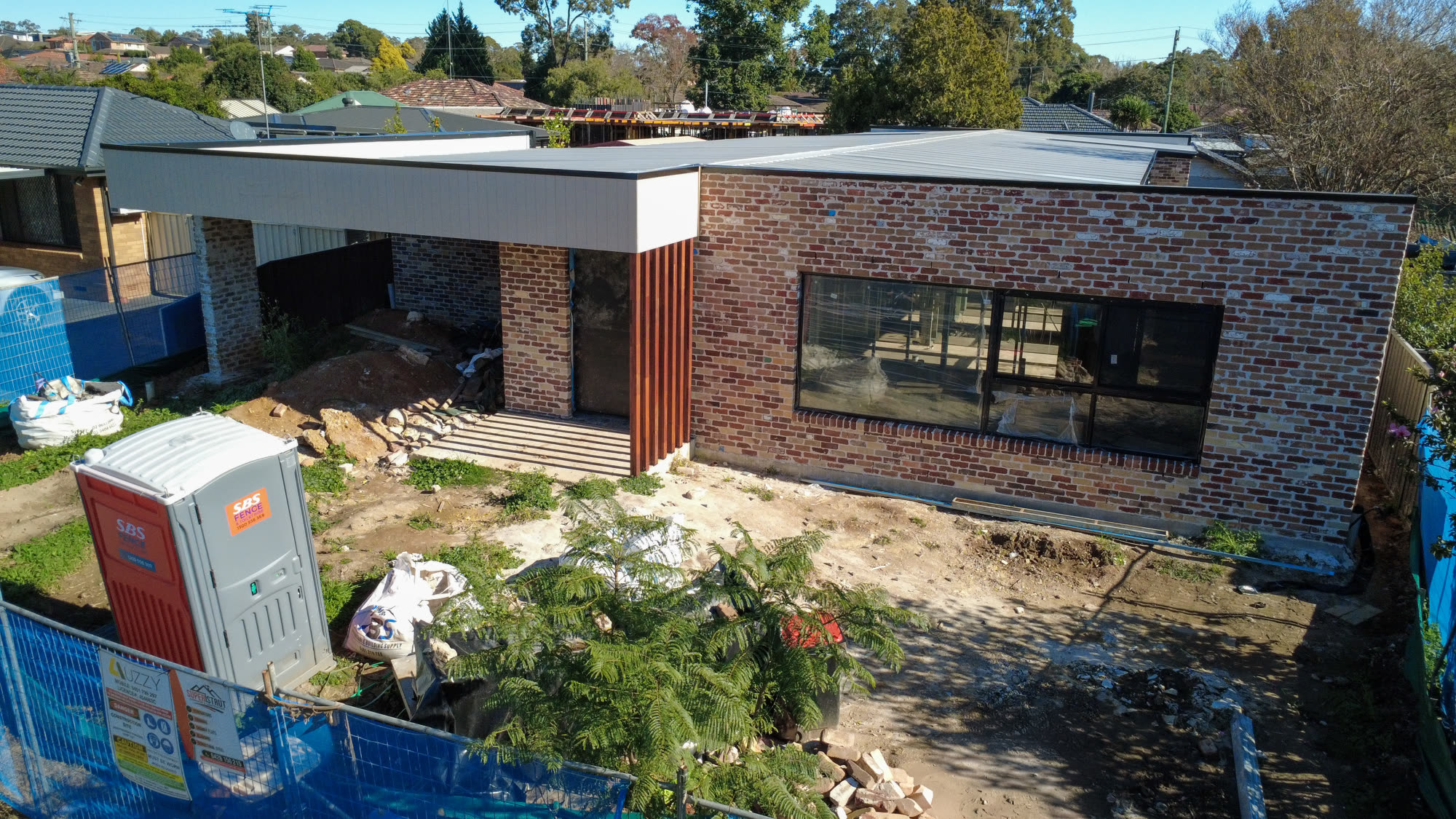
What to push back on
Here is the version worth watching for, especially if you are mid-build with another builder.
No detail. A change appears with a price and no real explanation of what drove it.
"It has to be done this way." Stated as though there was never a decision to make, and certainly not one you were part of.
No communication. You find out when the invoice arrives, or when you happen to visit site.
Any one of those on its own might be a busy week. All three together is a pattern, and it is worth stopping and asking for the detail in writing before you approve anything.
What is not a variation at all
This is the distinction most people never get told, and it is the one that saves money.
If work has not been done to the approved design, or to the standards, that is not a change to your project. That is work that has to be put right, and we put it right at our cost.
It applies across the board. A certifier picking up a waterproofing issue. Plumbing or hydraulic work that does not match the plan.
Steel fixing that is not right before the slab goes down. Framing with flaws in it after the carpenter has been through. Stormwater built differently from the design.
In every one of those, we fix it. It is not the customer's problem. You already paid for that work once.
Some of those get picked up at the inspection stages we walk through in what gets inspected while your home is being built.
The question to ask before you sign
There is a third category, and it is the one that catches people out.
Sometimes a design itself has to change. That is a different situation from work not matching the design, and it lands differently, because on a residential build the architect, the engineer and the other consultants are usually engaged by the owner rather than by the builder. Their contracts are in your name. Our contract is the build contract, and it starts at around demo or construction.
Most owners do not know that until something changes. So ask it early, while you still have room to negotiate:
Who engages the engineer and the other consultants, and what happens to the cost if a design has to change on site?
We are not going to tell you how that question gets answered on someone else's contract, because it depends on what you signed and who you signed it with. We are telling you to ask it. It belongs alongside the other twelve in what to ask a builder before you sign.
Common questions
What makes a variation fair?
You knew about it before the work happened, you understood what drove it, and you agreed to it. On our jobs that means being called out to site to see the thing itself rather than reading about it later. A change you only learn about when the invoice lands is not a fair variation, whatever it says on the paperwork.
What should I push back on?
Three things together: no real detail, "it has to be done this way" with no decision offered to you, and no communication until after the fact. Ask for the detail in writing and do not approve anything until you have it.
If something is built wrong, do I pay to fix it?
Not on our jobs. If work has not been done to the approved design or to the standards, we fix it and it is not the customer's problem. That covers waterproofing, plumbing and hydraulic work, steel fixing, framing and stormwater. It was already part of what you were paying for.
What if the design itself has to change?
That is a different situation, because on most residential builds the consultants are engaged by the owner rather than the builder, and their contracts are in your name. How the cost lands depends on your contracts, so it is worth asking before you sign rather than after. The type of building contract you use affects how changes are handled too.
Want to know how we handle changes before you commit to anything? A feasibility session costs nothing, and our process is written down rather than promised on the day.
Book a Free Feasibility Session