Short answer: A few years back I bought a 600 m² corner block in Sydney's North West with one plan: build two houses on it and collect two rents. We built two five-bedroom homes side by side, one facing each street. The build took 12 months. Instead of subdividing the land first, I built and rented both homes, then subdivided after, which saved months of waiting. Both homes were rented within a few weeks of the occupancy certificate, and I still hold them today. This is the same model I now build for investor clients across Sydney. It works, but I learned a few expensive lessons on this one, and I'd rather you get those lessons here than pay for them yourself.
Why I bought the block
This one wasn't a client job. It was my own money, my own project. I bought the block purely as an investment, and the corner position was the whole point.
A corner block gives you two street frontages. That means each home gets its own entry, its own driveway, its own address on its own street. Nobody lives in the "back unit" behind someone else's house. For rental demand, that difference matters more than most people think.
The block was 600 m². The plan from day one: two homes, two incomes.
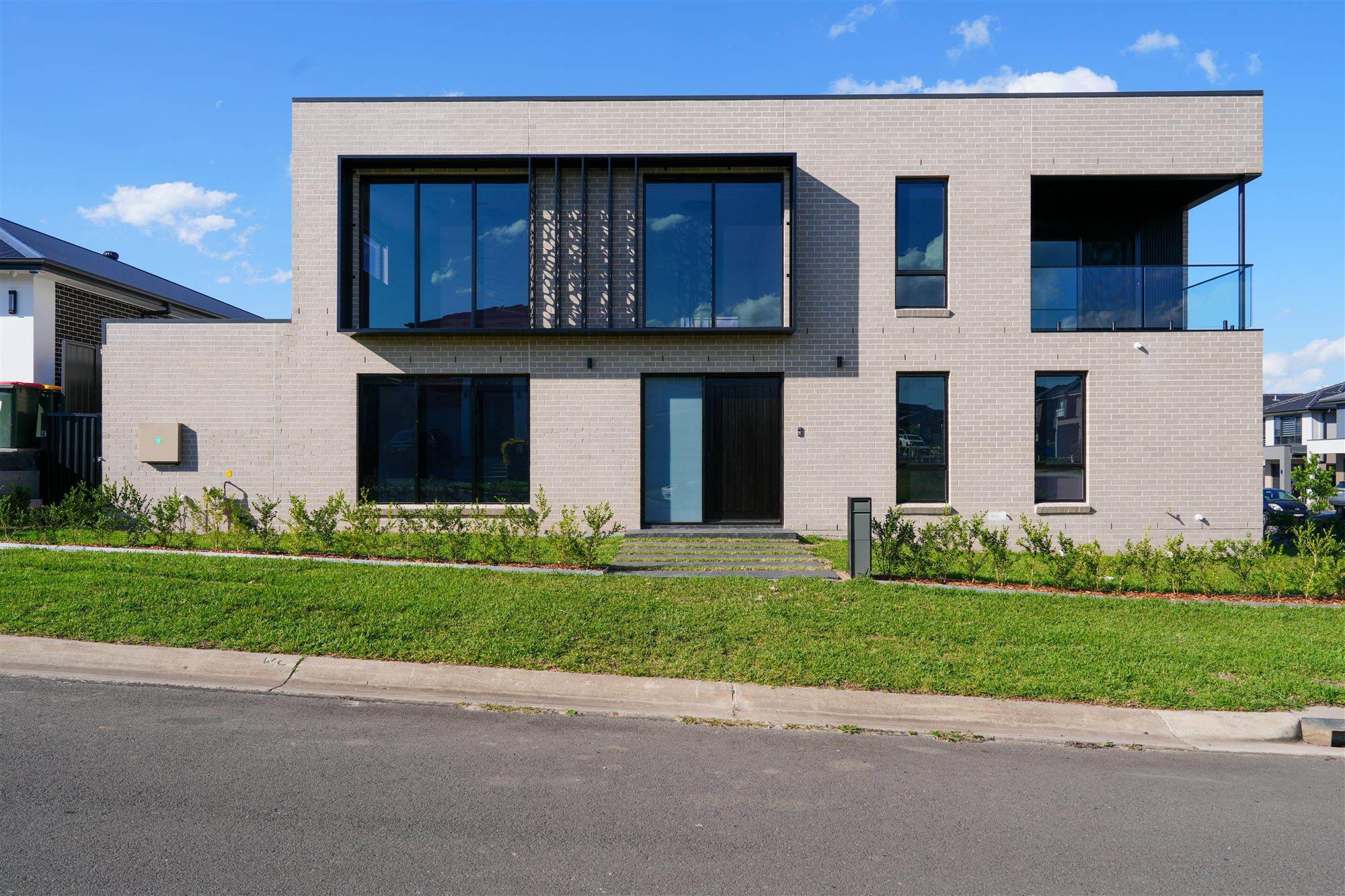
The design: similar faces, different footprints
We split the site into a corner home of about 335 m² and a front-facing home of about 265 m². Both got five bedrooms.
Why five? Because that's what the area actually needs. Sydney's North West has a lot of big families, and large homes for rent are scarce. Build what the local market is short of, and finding tenants stops being the hard part.
The two designs are slightly different because the footprints are different. But the fittings and the facades are close cousins, so the pair reads as one considered project rather than two random houses. One faces one street, one faces the other.
Dual occupancy or duplex? Quick terminology check
People use these words loosely, so let's be clear. A duplex is two homes attached, sharing a wall. A dual occupancy is the broader category: two homes on one block, and they can be attached or completely separate buildings.
On this block, two homes built side by side, each facing its own street, was the layout that made the most of the corner. On a narrower block, an attached duplex is often the better fit. We build both, and the block usually makes the decision for you.
The approval path: DA, because subdivision was in the plan
We took this project through a development application with council rather than the faster CDC route. The reason was simple: subdivision was part of the plan, and at that stage the subdivision component meant a DA was the path that fit.
Which path fits your project depends on your block, your design and your council. I've written a full guide on that decision, CDC vs DA: which approval path fits your build?, so I won't repeat it here.
The subdivision call that saved months
Here's the part most people get wrong. There are two ways to subdivide a dual occupancy. You can subdivide the land first, then build. Or you can build first and subdivide after.
I built first. Both homes went up, both got their occupancy certificates, both were rented, and then the subdivision went through while the rent was already coming in.
Subdividing first feels tidier on paper. But it front-loads months of process before a single slab is poured, and the whole time your money sits in dirt earning nothing. Doing it after meant the project was paying for itself while the paperwork ran. Same outcome, two separate titles at the end, without the dead time up front.
That order isn't right for every project or every lender, so treat it as one option to weigh, not a rule. But it's an option plenty of investors don't know exists.
The build: 12 months for both homes
From start on site to handover took 12 months for the two houses. They went up together, sharing trades and deliveries, which is where dual occupancy quietly beats building twice on two separate blocks.
One excavation setup. One concreting run. One frame crew moving from one house to the next. You're not paying two full sets of site establishment costs, and the program overlaps in ways two separate projects never could.
What I'd do differently — the honest bit
Every case study should have this section, and most don't. Here's mine.
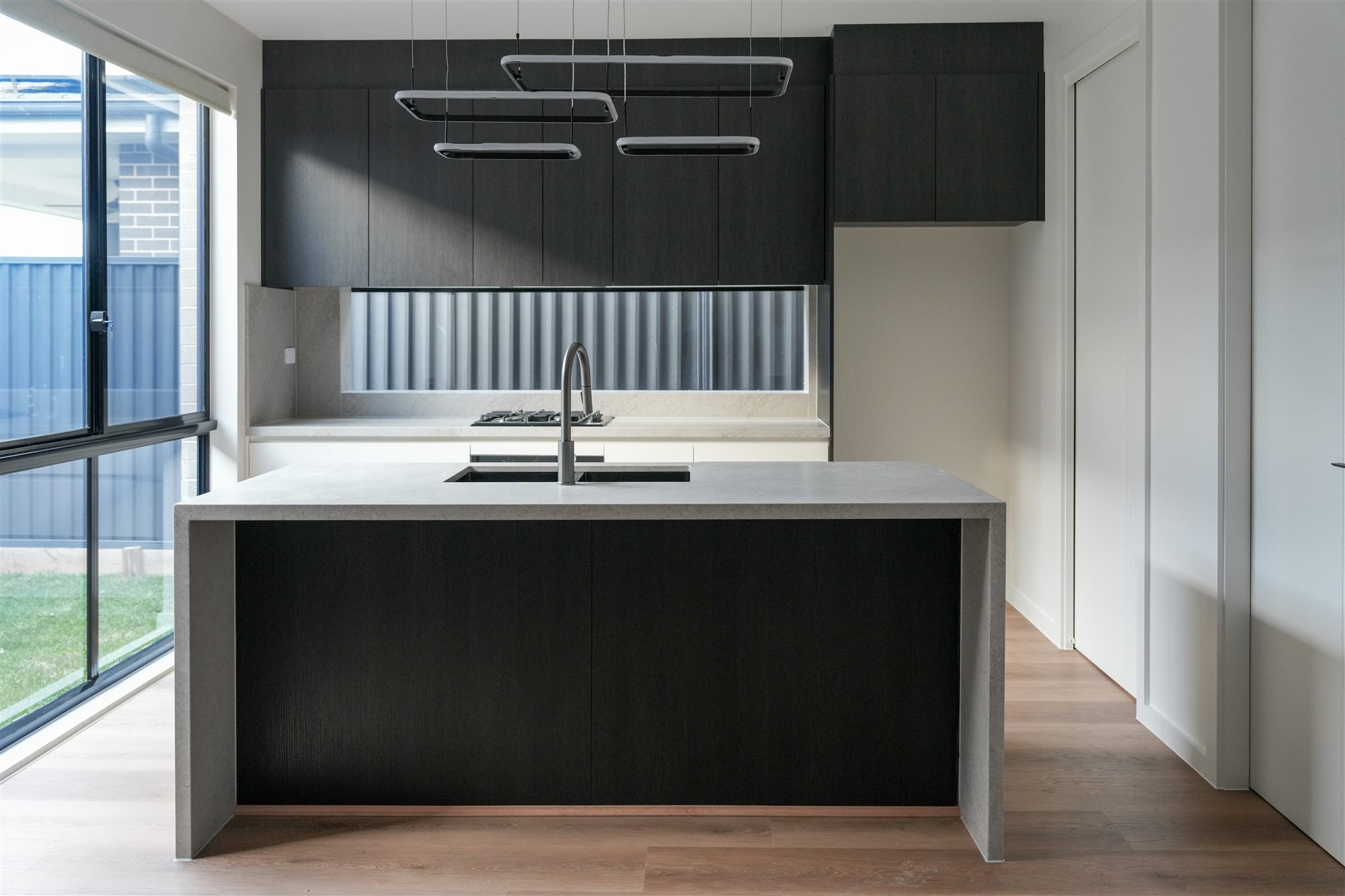
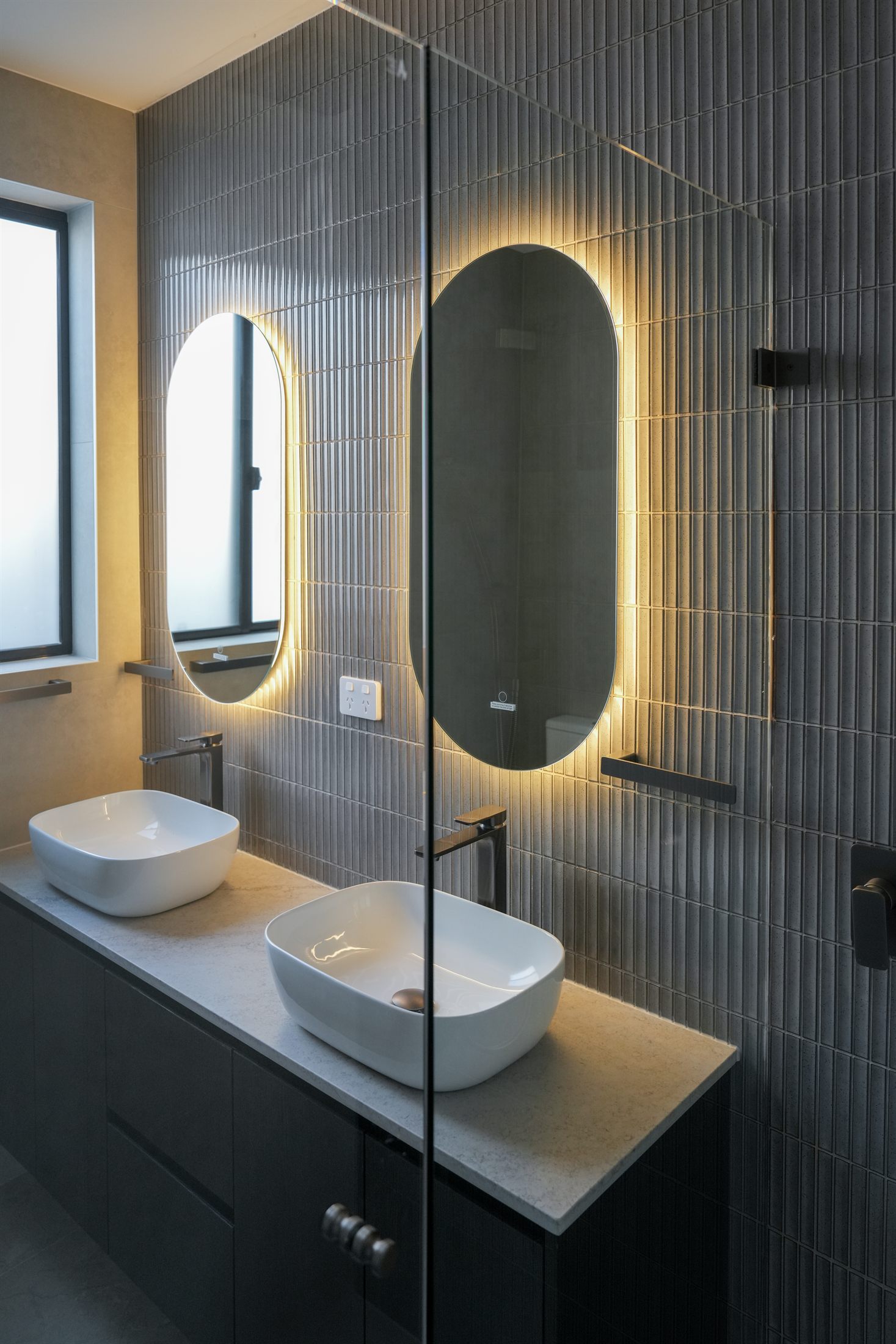
I over-built it. I finished both homes to a very high standard, close to what I'd put in my own family home. Tenants love it. But an investment property doesn't need it. A solid, well-built average specification would have rented just as fast in that market, for close to the same money, and cost meaningfully less to deliver. The lesson I now give every investor client: match the specification to the purpose of the build. Owner-occupier spec and investment spec are different jobs.
I could have sourced smarter. Some of the materials could have been imported directly at a better price for the same quality. On one house you'd barely notice. Across two five-bedroom homes, it adds up. We now run supplier comparisons, including import options where they make sense, as a standard part of costing.
Neither lesson hurt the outcome. Both would have improved the margin. That's exactly the kind of thing you want your builder to have learned before your project, on his own money.
How it turned out
Both homes were rented within a few weeks of the occupancy certificate. I still hold them, and they've been generating a healthy return since.
That's my experience with my project, on my numbers, in that market at that time. Your block, your costs and your rental market will be different, which is why the disclaimer below isn't fine print, it's the truth.
But the model itself is sound, and it's the same one I now build for clients: one block, two incomes, built once, built properly.
Thinking about two homes on one block?
The projects that work start with the block. Frontage, orientation, slope, services, council area — they decide what's possible before any drawing does. Corner blocks are strong candidates. Plenty of standard blocks work too.
If you own a block, or you're looking at one, start with a feasibility check. We'll tell you honestly what fits on it and what it would take to build, before you commit to anything.
Common questions
Can you really build two houses on one block in Sydney?
On the right block, yes. Dual occupancy is an established path under NSW planning rules, and it can be two attached homes or two separate houses, depending on the site. Block size, frontage and council controls decide what's possible, so the block assessment comes first.
Should you subdivide before or after building a dual occupancy?
Both paths exist. Subdividing first settles the titles before you build. Building first, then subdividing, can avoid months of upfront process, and on my own project it meant both homes were rented while the subdivision completed. The right order depends on your project, your council and your lender.
How long does a dual-occupancy build take?
Our Sydney North West project took 12 months on site for both five-bedroom homes, built side by side. Design and approvals add time before that, and the approval path (CDC or DA) affects how much.
Is a dual occupancy a good investment?
It gives you two rental incomes from one piece of land, which is the appeal. Whether it stacks up for you depends on the block, the build cost and your situation.
Auzzy Projects is a builder, not a financial adviser. Any mention of cash flow, gearing or returns is general information only — not financial advice. Please speak to a licensed adviser or our specialist partners about your situation.
Thinking about two incomes from one block? A feasibility session costs nothing and tells you honestly what your block can carry.
Book a Free Feasibility Session