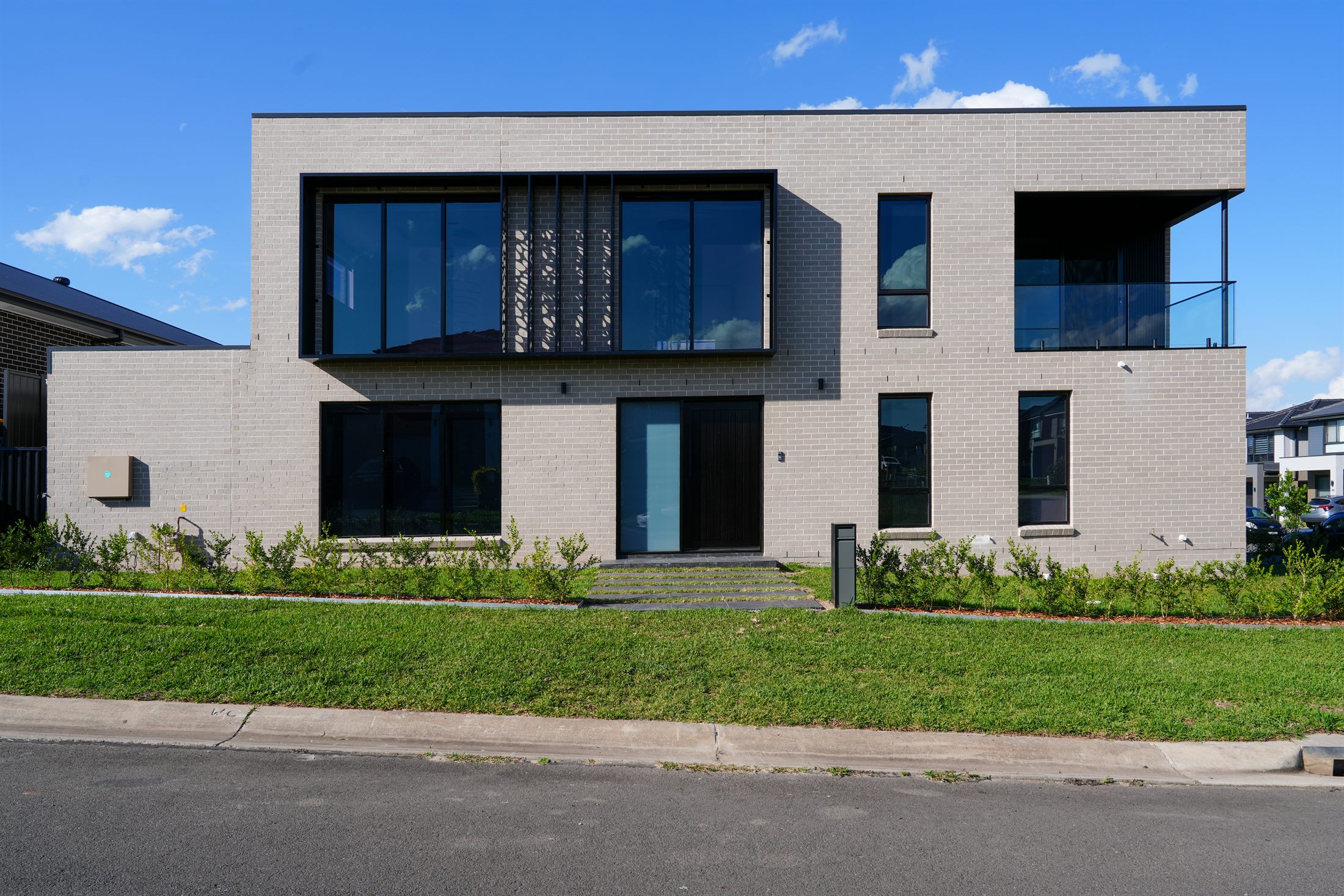
Short answer: A Complying Development Certificate (CDC) checks your design against a fixed set of state-level rules. If it matches every control, approval usually comes through in 10 to 20 business days. A Development Application (DA) goes to council instead, who assess it on merit and can raise objections or ask for changes, typically taking around 70 days and sometimes much longer. Every co-living home we've built so far has gone through CDC, because it's faster and more predictable. Neither path is guaranteed, and which one applies depends entirely on whether your design fits the code.
Why CDC is usually the faster path
A CDC isn't a discretionary government approval the way a DA is. It's a rulebook check. An accredited certifier compares your design against a fixed set of state-level standards under the Housing SEPP and Codes SEPP: height, setbacks, floor area and the like. Match every control and approval is close to guaranteed, usually 10 to 20 business days.
Some pathways under the newer NSW Housing Pattern Book can move even quicker, in as little as 10 days.
Every co-living home we've built has gone through CDC. It's easier to manage and gets fast-tracked, which matters when a client is planning finance, trades and a build schedule around a firm start date.
Why DA still exists, and when you need it
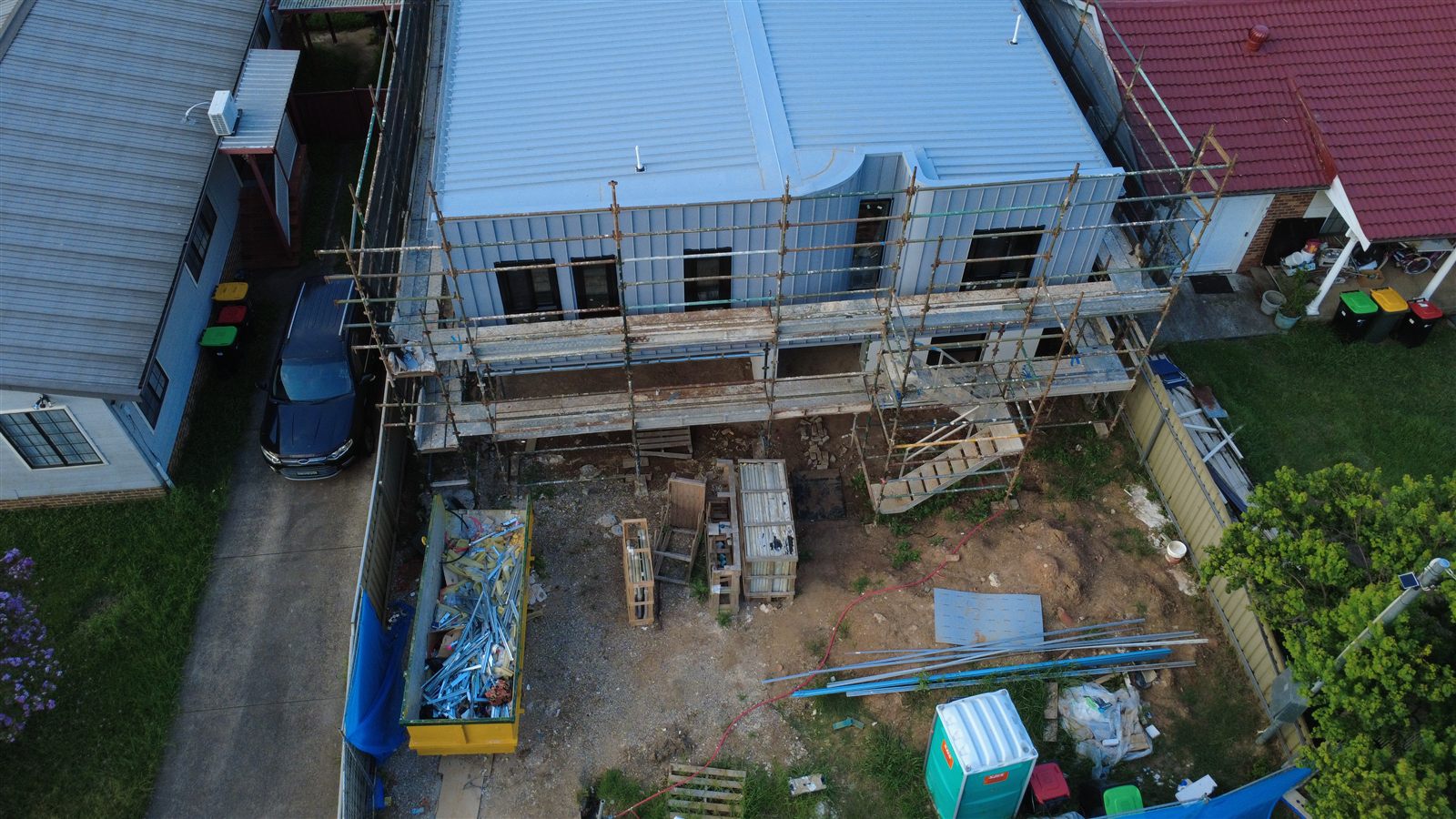
A DA has no fixed rulebook. Council assesses the project on its merits: neighbour impact, heritage, environmental factors, and the local planning controls specific to that area. That flexibility is the whole point of a DA. It lets you propose something a strict code wouldn't allow.
The cost of that flexibility is time and certainty. In our experience, council can put up roadblocks and make the process complicated, and a DA timeline can stretch out far longer than most clients expect. A typical DA takes around 70 days to be determined, and that's before any delays if council asks for changes.
The trade-off that decides it
CDC has zero flexibility. If a design breaches even one control, whether that's height, setback or floor area, the project gets bumped to the DA pathway regardless of how good the rest of the design is. DA gives room to move, but at the cost of speed and predictability.
For most co-living projects, we design to fit the CDC controls from the start. The speed and predictability outweigh the extra flexibility a DA would allow. DA isn't the wrong choice. Most clients just want a firm start date.
What's changed recently
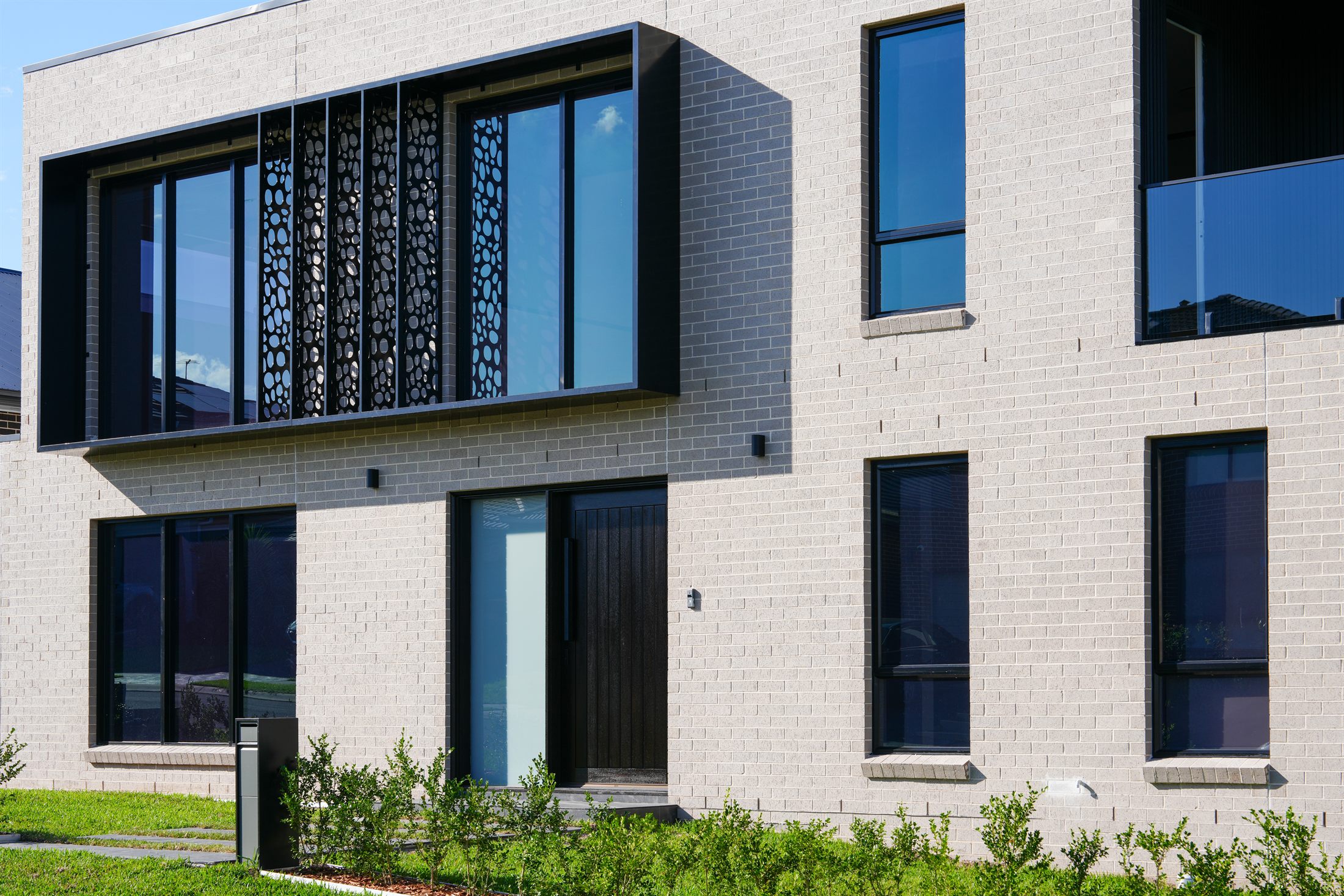
From mid-2026, NSW gave private certifiers stricter audit powers under Building Commission NSW. That means more spot inspections and tighter documentation when a project is lodged for CDC. It's still the faster path. It now comes with a bit more scrutiny at lodgement than it used to.
If you're weighing this up for a project, here are our co-living builds across Sydney, and our duplex builds in Western Sydney.
The approval pathways and timelines above reflect general NSW planning processes as of 2026 and are not a guarantee of any specific outcome or timeframe. Every site and council is assessed individually.
Common questions
Is CDC always faster than DA?
For projects that fit every control in the code, yes: typically 10 to 20 business days versus around 70 days for a DA. If a design doesn't fit the code, it has to go through DA regardless of preference. Neither pathway guarantees approval.
Can council refuse a CDC application?
A CDC isn't assessed on merit the way a DA is, so there's less room for council discretion. But if a design breaches even one control, it isn't eligible for CDC and needs to go through DA instead. Neither pathway guarantees approval.
Why do most Auzzy co-living homes go through CDC?
Because designing to fit the CDC controls from the start gives clients a faster, more predictable approval timeline, which matters for planning finance and the build schedule.
When would a project need to go through DA instead?
When the design doesn't meet every CDC control, for example height, setback or floor area limits, or when the site or council area has specific local planning considerations that need a merit-based assessment.
Not sure which path your block qualifies for? A feasibility session costs nothing and tells you what actually fits.
Book a Free Feasibility Session