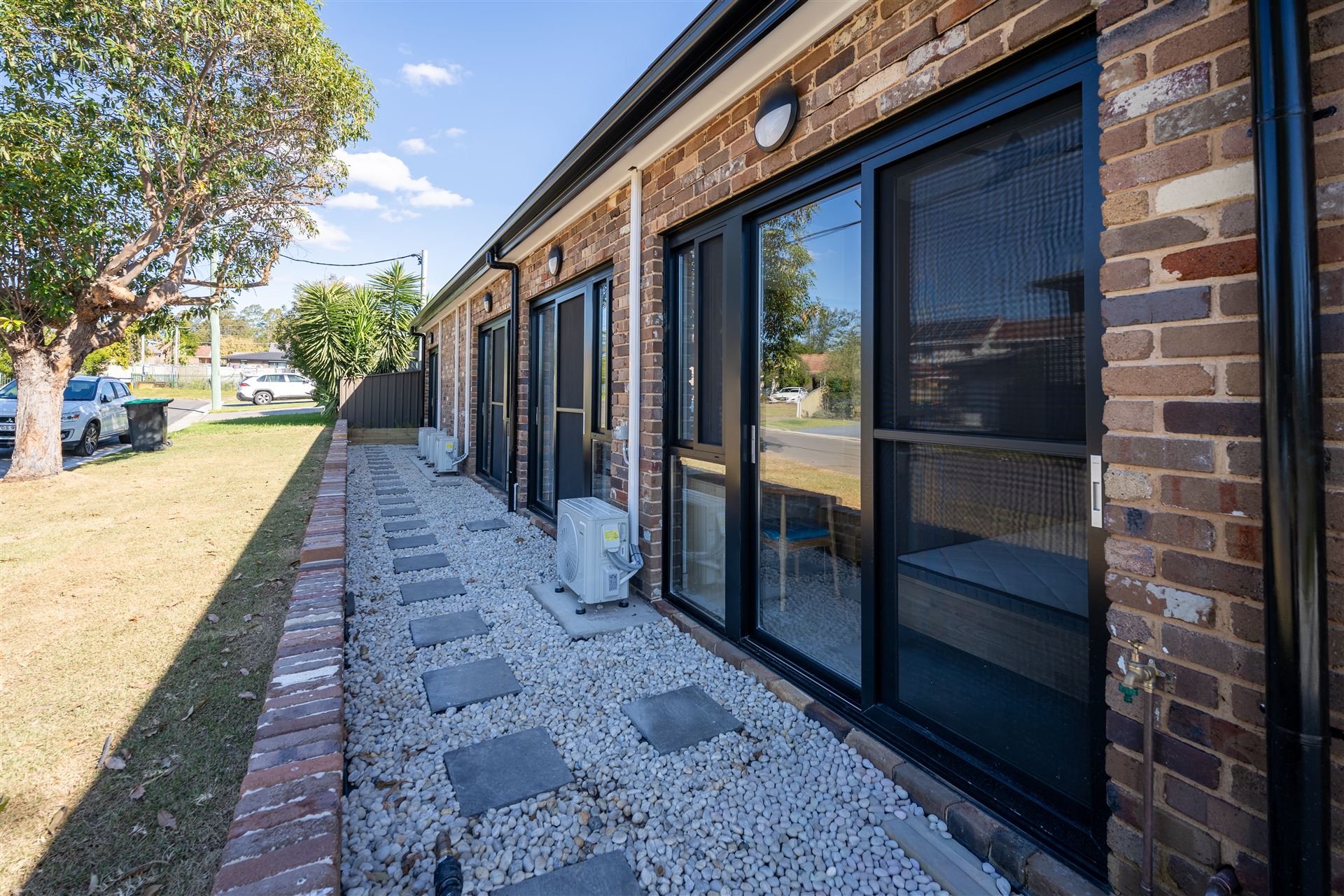
People mix these two up all the time, and I get why. From the street, a boarding house and a co-living home can look almost identical: a low brick building, a row of front doors, one shared driveway. The rules underneath are nothing alike.
A boarding house is a form of affordable housing. Once it's built, a registered Community Housing Provider runs it, forever. They set the rent. They choose who lives there. The owner has no say in either one.
Co-living carries no affordability requirement. The owner keeps control the whole way through: self-manage it, hand it to a property manager, or lease the whole building out to someone else. That's the real split between the two. Who's in charge, and for how long.
Why the building rules are different
Under the National Construction Code, most co-living homes sit in Class 1b. That caps the building at around 300 square metres and 12 people, low-rise, built for related or unrelated occupants. In practice that works out at ten bedrooms, which is the maximum for a build like this. Past it you are into boarding house territory. Because the scale is smaller, the fire-safety rules are lighter too.
Push a project bigger than that and it steps up to Class 3, which is the classification most boarding houses fall under. Class 3 buildings are built specifically for unrelated occupants, and they carry much stricter fire and building compliance. That's the direct reason a boarding house costs more to build, and takes longer to get through approval, than a co-living project of a similar size.
Why the planning rules are different too
NSW's Housing SEPP treats the two very differently as well. A boarding house has to be managed in perpetuity by a registered Community Housing Provider. That's the trade the owner makes for the bigger floor-space bonus: 30% extra from council, but the Provider runs it, not you.
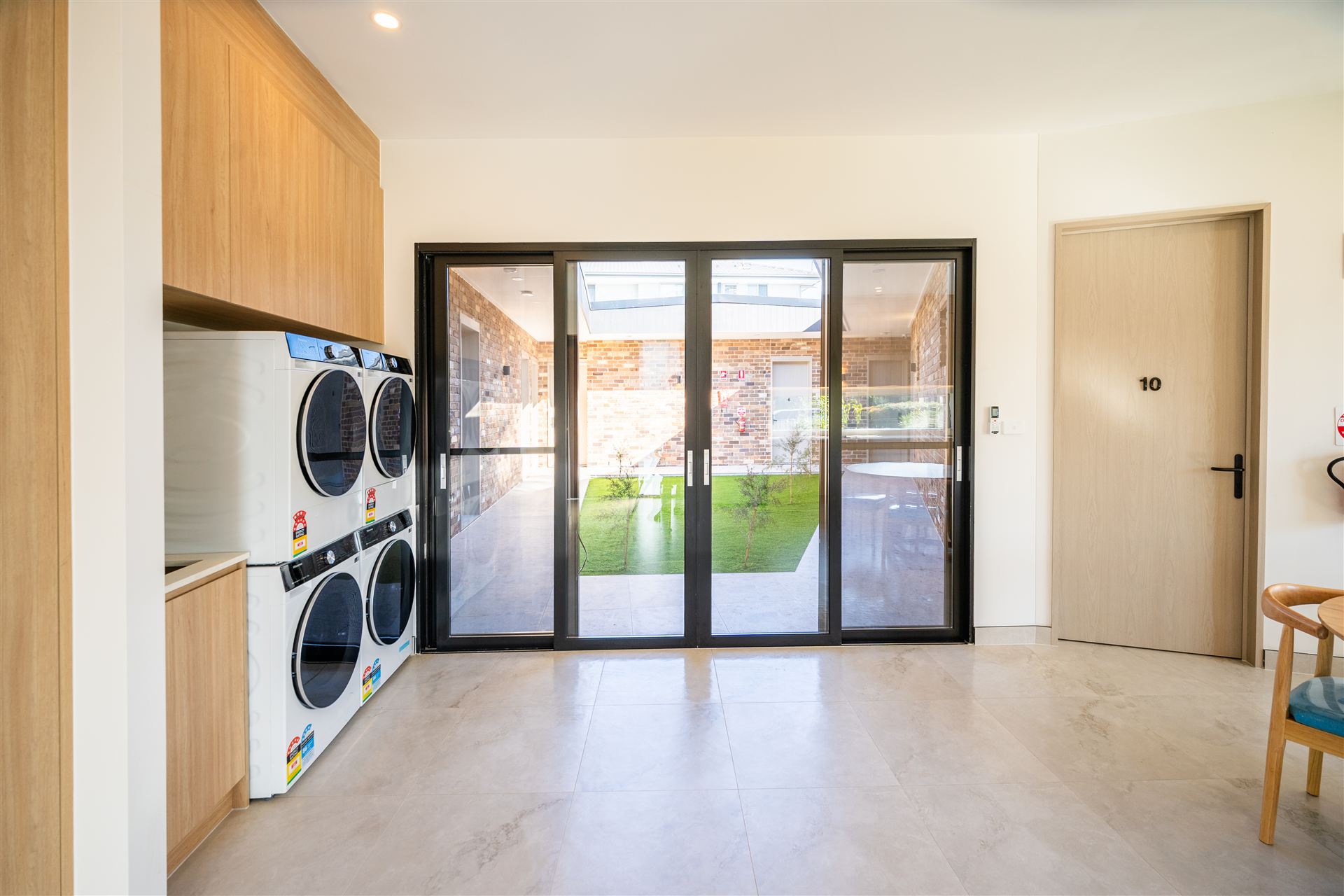
Co-living has no affordability string attached. It has to contain at least six private rooms, come fully furnished and ready to move into, and have a manager who's contactable 24/7, though not necessarily on-site. The floor-space bonus is smaller, at 10%, but the owner keeps control of the property.
What this means if you're the owner
Boarding house rules are strict, and because a Community Housing Provider manages it, you can't raise the rent when you feel like it. The numbers have to stack up from day one, at that lower ceiling. In practice, boarding houses tend to suit wealthy individuals or big companies who can absorb that trade-off.
Co-living is the lower-barrier entry point. You can run it yourself, hand it to a property manager, or lease it out entirely, and the rent is typically well above what an individual investor gets from a standard rental property. That's the appeal for most of the people who come to us.
Auzzy Projects is a builder, not a financial adviser. Any mention of cash flow, gearing or returns is general information only, not financial advice. Please speak to a licensed adviser or our specialist partners about your situation.
One option worth knowing: the hand lease
Some companies now offer a hand lease arrangement for co-living homes. They take the lease off the owner, sublet it themselves, and pay a fixed weekly rent, covering expenses, utilities and government charges along the way. It's a fully passive option for an owner who doesn't want to manage tenants directly.
Which one should you build?
For most of the clients I work with, co-living is the better fit: lower barrier to entry, more control, and a faster path through approvals thanks to the lighter Class 1b requirements. Boarding houses have their place. They just suit a different kind of client, and a different kind of commitment.
If you want to see how the co-living model works in practice, here's what a co-living build with us actually involves.
Common questions
Is a boarding house the same as co-living?
No. A boarding house is a form of affordable housing managed in perpetuity by a registered Community Housing Provider, with no owner control over rent or tenants. Co-living has no affordability requirement, and the owner keeps control.
Why does a boarding house cost more to build than co-living?
Boarding houses typically fall under NCC Class 3, which carries stricter fire and building compliance than the Class 1b classification most co-living properties sit under.
Can I set my own rent on a boarding house?
No. A registered Community Housing Provider manages a boarding house in perpetuity, including rent, as part of its affordable housing status.
What's a hand lease for a co-living home?
An arrangement where a company takes the lease from the owner, sublets it themselves, and pays the owner a fixed weekly rent while covering expenses, utilities and government charges. It's a passive option for owners who don't want to manage tenants.
Weighing up co-living against other options for your block? A feasibility session costs nothing and tells you what actually fits.
Book a Free Feasibility Session