Short answer: Not every block works for co-living, and zoning alone won't tell you. Before we tell a client yes, we check six things. First, our team of experts confirms the block fits that council's rules. Then lot size and location, how many bedrooms and bathrooms it can actually hold, parking and services, real feasibility instead of zoning on paper, and whether the build can be financed. Get all six right and the block works. Miss one and it doesn't, no matter how good the zoning looks on a map.
1. Get the right experts on it first
People come to us wanting to know one thing. Will my block work for co-living? Some plan to live in it themselves for extra income. Others run it purely as an investment. Either way, the first move is the same.
We put the block in front of our team: architect, town planner, certifier and engineer. They check whether it can fit a co-living build under that council's rules. Every council runs its own rules, so there's no single blanket answer.
Once we know it fits, we ask what the client actually wants. Live-in with a separate income stream, or a pure investment along group-home lines? That answer shapes everything after it.
2. Lot size and location
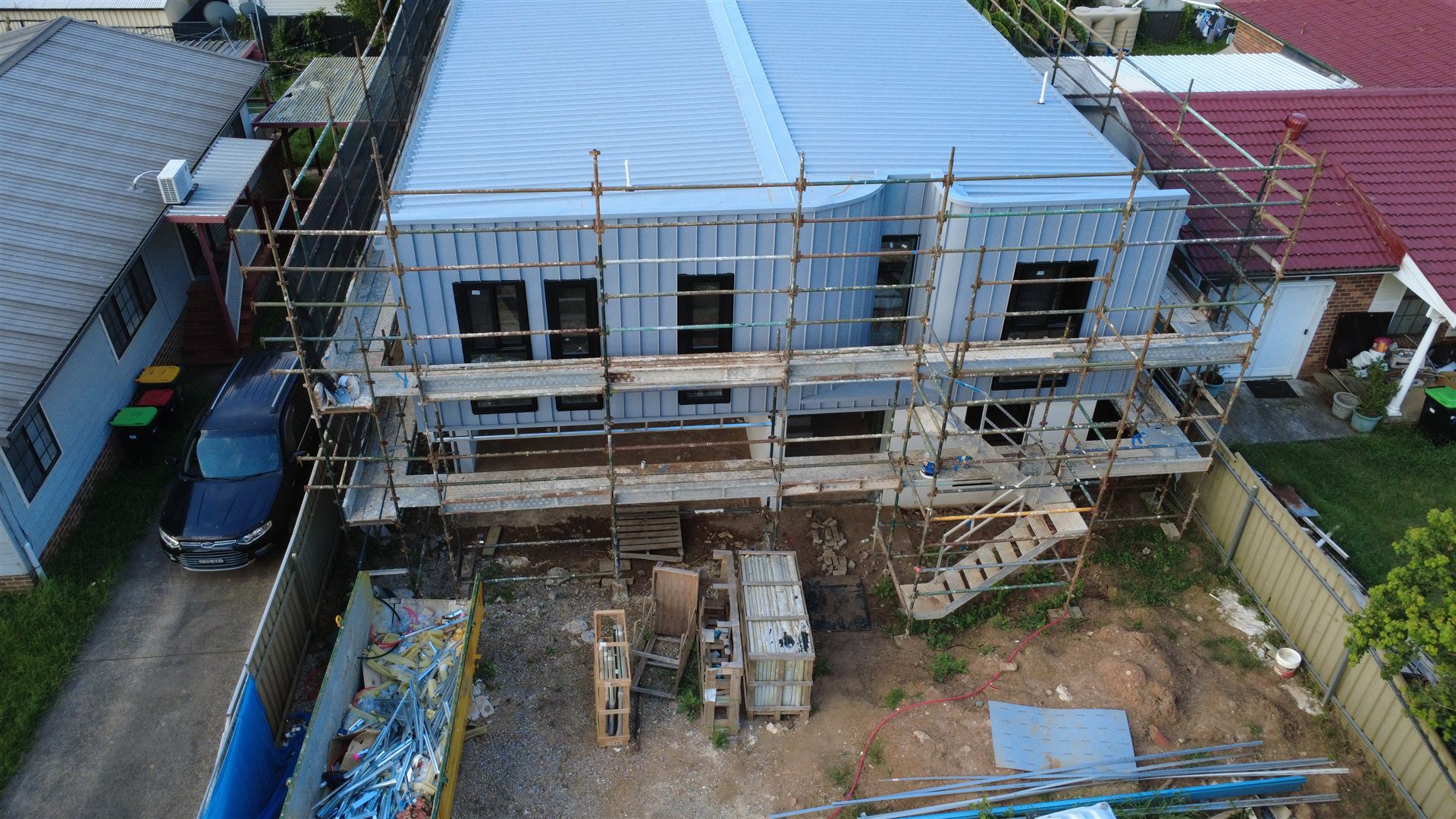
As a rough benchmark, a co-living home needs a lot around 500 square metres. We walk clients through the land side from the start, and bring in buyers' agents or real estate contacts to help weigh up a block before anyone commits.
Location matters most for a group-home strategy. We look for blocks within walking distance of public transport, a university or a hospital. Our team also researches the area itself: vacancy rates, rental demand, and how the area is performing.
3. How many bedrooms and bathrooms it can hold
This comes down to the lot. We've built 10 bedrooms and 10 bathrooms in several locations, on blocks around 500 square metres. Some councils allow a two-storey layout that delivers the same result.
A smaller block means fewer rooms. Working out the exact number needs the certifier and architect on it, case by case.
4. Parking and services
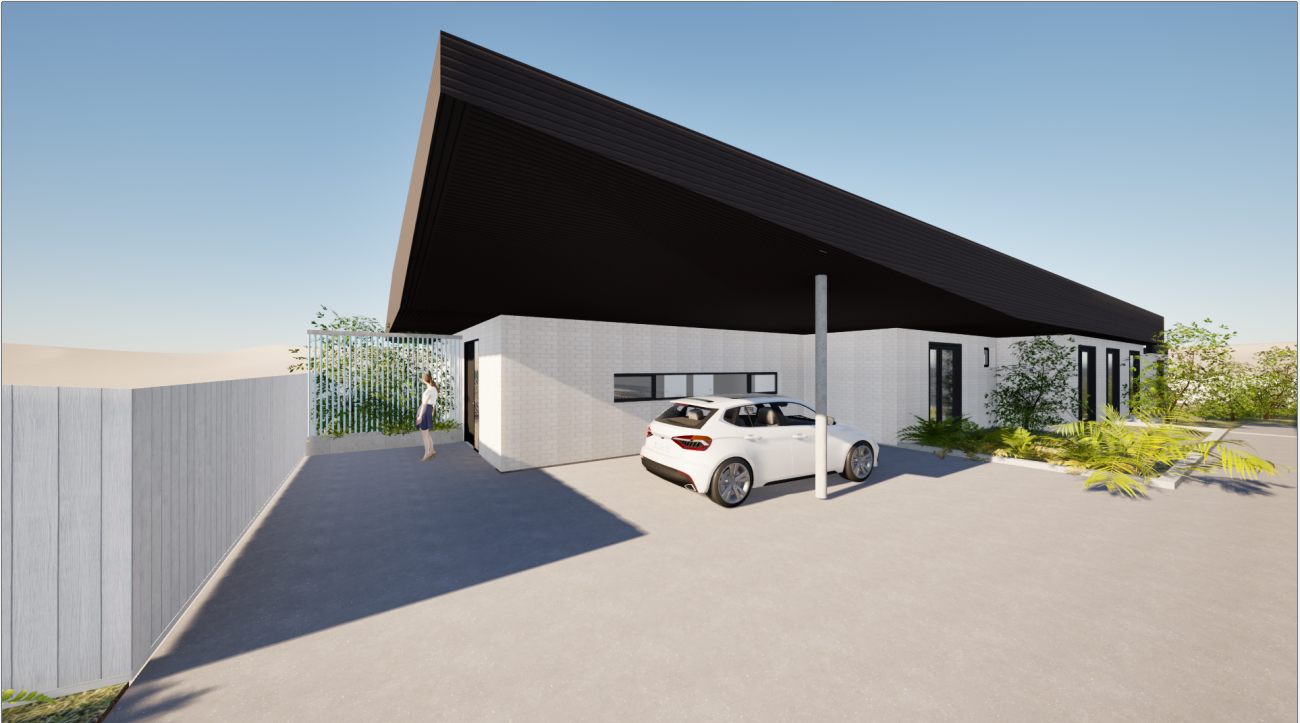
If the early feasibility is done properly, sewer and stormwater rarely turn into a real problem. Parking is different. How much on-site parking you need, including any disability parking, depends on the category of co-living you're targeting. There's no single number that fits every project.
5. Real feasibility, not just zoning
Zoning matters less than most people expect. What actually decides it is a proper physical feasibility study of the site, plus whether the numbers stack up. The zoning label is one input, not the answer.
Here's what surprises people. Getting a site to a fundable state matters as much as getting it approved. Not every lender finances this type of build. We guide clients through that part with finance experts, so they're not working it out alone.
6. Can it actually be financed?
This comes down to the client's financial position. Clients with strong equity or funding can often go through their normal bank. Clients who need a hand get connected to a finance expert in our network to work out how to structure it.
If you're weighing up a block, here's our co-living build model, and you can see current work on our projects page.
Rental demand, vacancy rates and return figures here reflect general market conditions, not a promise for any specific site. Auzzy Projects is a builder, not a financial adviser. Any mention of cash flow, gearing or returns is general information only, not financial advice. Please speak to a licensed adviser or our specialist partners about your situation.
Common questions
What's the minimum lot size for a co-living build?
Around 500 square metres is the rough benchmark for a co-living home. Every site is different, so we assess the land case by case with the certifier and architect.
How many bedrooms can a co-living property have?
It depends on the lot. We've built 10 bedrooms and 10 bathrooms in several locations, on blocks around 500 square metres, confirmed with the certifier and architect for each site.
Does zoning decide whether co-living will work on a block?
Not on its own. A proper feasibility study of the site and its likely return matters more than the zoning label. Zoning is one input, not the deciding factor.
Do I need to already own the land before Auzzy will look at it?
No. We work with clients whether they already have land or are still looking. The earlier we're involved, the better the result.
Not sure if your block stacks up for co-living? A feasibility session costs nothing and tells you what actually fits.
Book a Free Feasibility Session